How to start a candle business in 2026: real costs, pricing, and where to sell
What candle makers spent, charged, and earned at their first markets, with 963 US events accepting handmade vendors and the one federal rule that applies.

Agustin Garcinuño18 min read
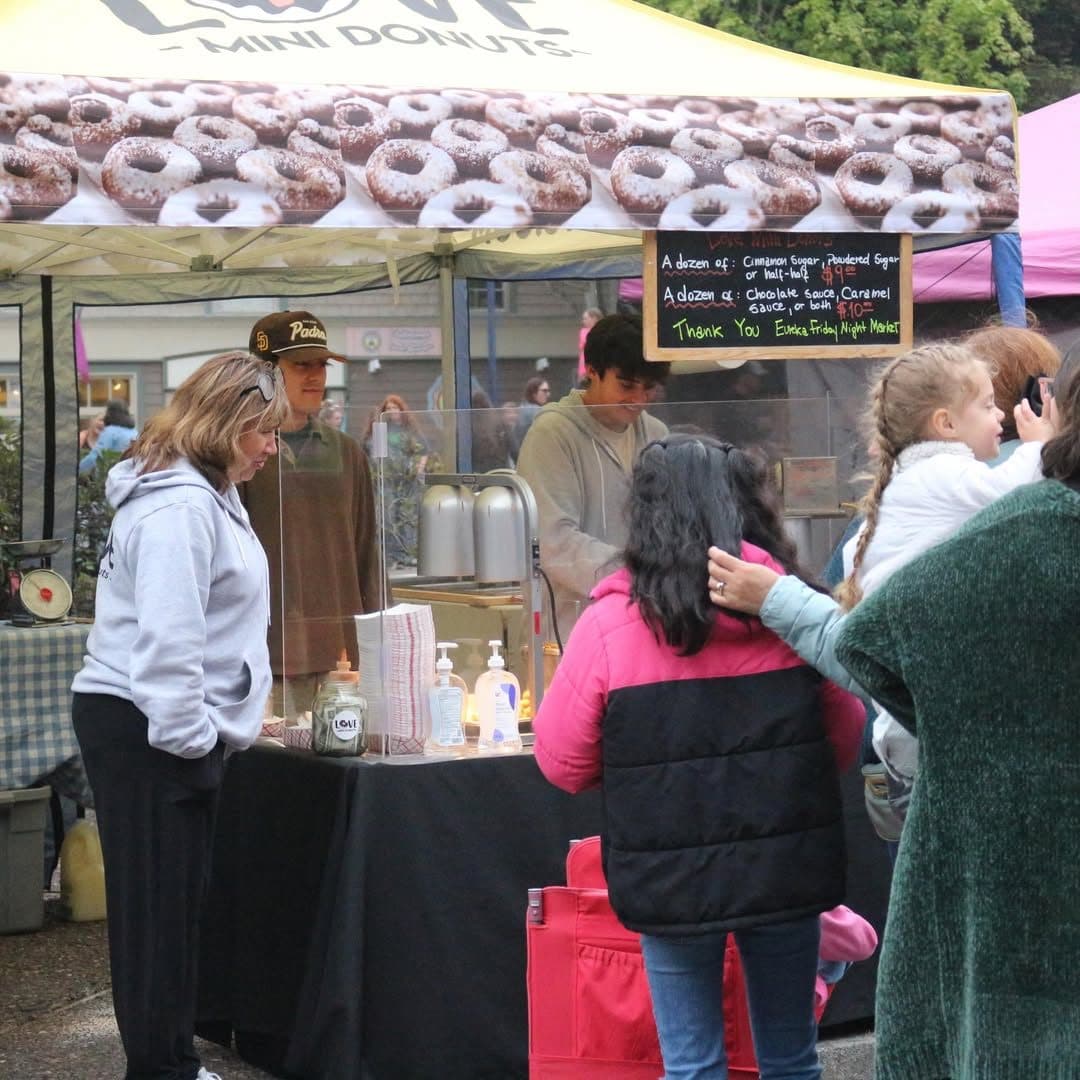
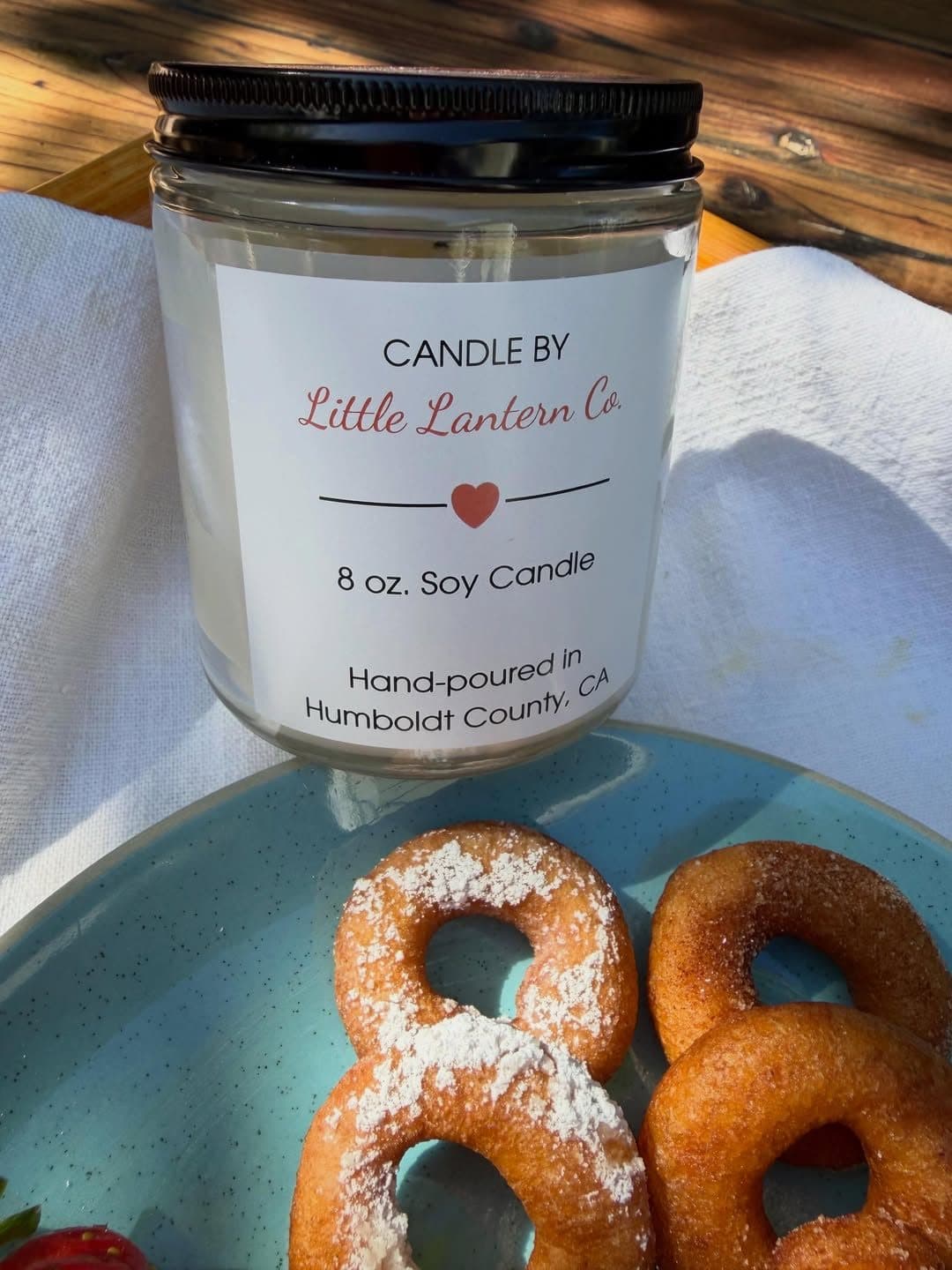
My family has run a mini donut stand at Humboldt County markets and fairs since 2011, and the handmade booths are our neighbours at every one of them. Candles are the most common. At the Eureka Friday Night Market there are usually two or three candle makers among a few dozen vendors, and this summer one of them, Little Lanterns, made a "Sugar Love" candle from the smell of our donuts. From two tents over, the pattern is consistent: the candle booths that do well have a short line of scents, a sign you can read from across the street, and someone talking to every person who stops. The ones that struggle have 20 jars, no sign, and a maker sitting behind the table.
Most guides to starting a candle business are written by people who sell candle supplies. This one is built from what makers said in their own words: 16 Reddit threads with 500 comments, 20 TikTok and Instagram clips from makers at their booths, and the booth fees listed by 2,554 US vendor events in the Vendorbound catalog. Every number links to where it came from. If you are weighing a food product instead, the kettle corn guide covers the permit and fee side of concessions.
The short answer
- Starting cost. Materials for a first batch of 40 to 60 candles run about $300 to $600. Add $100 to $250 for a melter, scale, and thermometer, $20 to $30 a month for liability insurance, and a booth fee. Makers who went from hobby to a launched brand reported spending $1,000 or more before their first sale, much of it on testing.
- Time to first sale. One maker took ten months from first pour to launch, most of it wick and fragrance testing. Others sold at a market within weeks of a first batch. The difference is how much testing you do before you sell, and the makers who skipped it regretted it.
- First market results. Reported outcomes range from $110 to $1,015 in a day. Most first markets land between 10 and 25 candles sold. Both $1,000 days in our sample started with an hour or more of zero sales.
- Where the money is. In-person markets. One maker did $25,000 in five months with 98% from markets and almost nothing online. Another listed 15 candles on Etsy for a year and sold none.
- The hard part. Not pouring. Wicks, testing, labels, and the legal setup. Every experienced maker in the threads said some version of "test, test, test."
1. What it costs to start
The per-candle math
A maker posted a full cost breakdown for a 7 oz soy container candle in July 2026, and the replies are as useful as the post.
| Component | Cost per candle | Basis |
|---|---|---|
| Soy wax | $0.89 | 6.48 oz at $0.14/oz ($22 for 10 lb) |
| Fragrance oil | $0.58 | 0.52 oz at 8% load ($18 for 16 oz) |
| Jar | $2.08 | $25 per case of 12 |
| Lid | $0.83 | |
| Wick, label, dye, shipping box | $1.10 | |
| Materials | $5.49 | |
| Labor | $2.50 | $15/hr at 6 candles/hr |
| Overhead | $0.50 | $50/mo insurance and tools across 100 candles |
| True cost | $8.49 |
Source: r/candlemaking, July 2026.
The most-upvoted reply said those supply prices are too low for someone buying starter quantities. Her wax costs $0.18/oz and fragrance oil "closer to $2.50" an ounce, and she adds $0.25 per candle for labor because an experienced maker pours far more than six an hour. Another commenter paid $31 for a 16 oz bottle of fragrance oil from CandleScience that month, up from $22. Using those numbers, materials for the same candle come to about $7.50 and fragrance oil becomes the largest cost after the jar.
Two more data points from makers who published their costs: an 8 oz candle at $3.40 to produce, sold for $28 to $42, and an art-collab candle at $12.80 all-in including packaging.
Three starting budgets
Nobody in the threads posted a total "what I spent before my first sale" figure. These tiers are built from the component costs above and the equipment and fees makers named. Treat them as estimates.
| Test batch | First market | Small production | |
|---|---|---|---|
| Candles | 12 to 20 | 40 to 60 | 100 or more |
| Materials at $5.50 to $7.50 each | $70 to $150 | $220 to $450 | $550 to $750 |
| Equipment | Kitchen pot, pitcher, thermometer: $30 to $60 | Wax melter (about $100), scale, thermometer, pitchers: $150 to $250 | Add second melter, label printer: $300 to $500 |
| Testing waste | Included | 20 to 40 candles burned, not sold: $110 to $300 | Ongoing |
| Insurance | None | $20 to $30/mo | $20 to $30/mo |
| Booth fee | None | $55 to $162 (see below) | Per event |
| Labels | Home printed | Home printed or Avery/Office Depot | Professional run: $100 to $300 |
| Total | $100 to $210 | $575 to $1,300 | $1,200 to $2,000 to start |
The testing line is the one first-timers skip. The community's rule of thumb is 84 test burns before selling a design. One maker called that "dead on (if not a bit of a conservative estimate)" after burning and giving away more than 100 candles before launch.
Equipment named repeatedly: the CandleScience wax melter at about $100, ToAuto and 5-gallon Vevor melters, and a hot plate with pouring pitchers as the setup people use for the first year. For labels: Avery designed online and printed at Office Depot on a laser printer (home inkjet smears), OnlineLabels.com sheets with an Epson EcoTank, or Consolidated Label Co. for a professional run on BOPP stock.
What the booth costs
The Vendorbound catalog lists booth fees for 1,700 of its 2,554 published US events. For the 150 events that name candles as an accepted category, the median listed booth fee is $162, with a quarter of fees at $85 or less and a quarter at $439 or more. Seven of the listed fee tiers are free. For the 1,762 events accepting handmade, craft, or artisan vendors, the median is $125 and 199 fee tiers are free. Fees range from $2 to $7,500, and the high end is multi-day festivals with premium placements, not weekend markets.
For comparison, a ten-year market veteran on TikTok says she generally will not pay more than $50, and one first-year maker paid $100 for five Saturdays at a farmers market. The cheap fees exist; you find them at recurring weekly markets, not one-day festivals.
2. Starting from home: the legal and safety setup
The one federal rule
There is exactly one mandatory federal regulation specific to candles: 16 CFR 1500.17(a)(13) bans metal-cored wicks with more than 0.06% lead in the core. If you use cotton or wood wicks, which nearly every small maker does, this does not apply and the CPSC requires no certification. If you use metal-cored wicks, you need a General Certificate of Conformity and a compliance statement on bulk shipping packaging. The CPSC's candle business guidance covers it in one page, and its Small Business Ombudsman answers questions at (888) 531-9070.
The labels you need
Two sets of labeling apply, one legal and one voluntary but expected.
Net contents (legal). The Fair Packaging and Labeling Act requires consumer products to state what the product is, the net quantity, and the name and place of business of the maker on the front panel. For a container candle the net quantity is the weight of the wax, not the jar size. A "9 oz jar" holding 7 oz of wax is a 7 oz candle. One commenter's warning applies here: fragrance load is fragrance weight divided by wax weight, so 4.2 oz of wax at 6% load plus 0.25 oz of oil is a 4.45 oz candle, and that is what the label should say.
Fire safety warning (voluntary, expected). ASTM F2058 specifies that a fire-safety warning appear on the unit of sale, visible at the point of purchase. The National Candle Association's version has three cautions: burn within sight, keep away from combustibles, keep away from children. The NCA gives away the pictograms as EPS, JPEG, and PDF. A candle without this label reads as unprofessional to buyers and to market organizers.
The safety standard makers argue about
ASTM F2417 is the voluntary specification for candle fire safety: flame height limits, container integrity, wick stability, secondary ignition, and tip stability. It costs about $80 from ASTM. You are not required to buy it. Experienced makers in the threads say you should know what it tests for before you sell, because it defines what "safe" means if something goes wrong.
That is the context for the most heated topic on r/candlemaking: additives. Dried flowers, glitter, crystals, coffee beans, and wooden containers all appear in candles sold online, and the pinned thread against them has 1,343 upvotes. The practical argument is not aesthetic: a 40-year maker wrote that if a fire investigator attributes a fire to a flammable additive, "many insurances will then refuse to pay out." Another commenter put it more bluntly: believing that "a warning sticker on the bottom" and an LLC protect you from liability is "laughably wrong" if the candle itself is a hazard.
Insurance and business registration
No federal or state law requires product liability insurance to sell candles. Market organizers do. One maker bought insurance only because "event hosts require it," not because of any online sales. Quoted costs in the threads are $20 to $30 a month for a small policy; Simply Business came up by name. A maker on TikTok hit the other side of this in September 2026: a wholesale buyer's insurance requirements that no small policy would meet.
Business registration, a seller's permit, and sales tax collection depend on your state. Start at your Secretary of State's site and your state department of revenue. The first-year maker whose thread anchors this guide said "legal setup + licensing took a lot more time/brainpower than we expected."
There is a real disagreement in the threads about sequencing. One five-year craft seller argued for selling 50 candles before buying insurance or forming an entity, because most people quit at the paperwork stage, not the selling stage. The reply, and the majority view, was that a combustible product is not the place to test that theory. If you sell at markets, the organizer settles the question for you.
3. Is a candle business profitable?
Three makers published their numbers with enough detail to learn from.
Year one, part-time, with a toddler. 207 units, just over $4,000 in revenue, four in-person events with in-person sales close to half the total, about 65% margin on materials excluding time. Best-selling scent outsold the second by nearly double. Their advice, in a thread with 618 upvotes: "Start smaller than you think, you don't need 10+ scents to launch."
Five months, full-time job, every market she could get into. About $25,000 in sales, roughly 675 units, 98% from in-person markets. She built a backyard studio from profits and is still working the day job. A commenter on the same thread: "Keeping costs LOW while creating a HIGH quality product with a very distinct product line has been my goal."
Three and a half years to $100,000 cumulative. Started with markets and online, found both too slow, and moved to white-label candles for restaurants: a custom scent, the restaurant's branding, sold at the host stand. Bigger accounts reorder $3,000 to $4,000 at a time. "Now instead of hoping to do well at a market or fair, we are making orders that are already bought," another wrote.
What a market day looks like, hour by hour
Four makers filmed their running totals in 2025 and 2026. Figures are as shown on screen in each clip.
| Market | Hourly totals | Day total | Source |
|---|---|---|---|
| Maker market, Oklahoma, rainy, Aug 2026 | $48 → $124 → $206 → $306 → $325 | $1,008 | TikTok |
| Farmers market, Pensacola FL, rainy, May 2026 | $0 → $0 → $0 → $62 → $404 → $930 | $1,015 | TikTok |
| Maker market, Jul 2026 | $160 in the first hour, two or three candles left at pack-up | not stated | TikTok |
| Farmers market, South Jersey, Aug 2026 | $0 → $23 → $10 → $77 | about $110 | TikTok |
Reddit first-market reports fill in the middle: 17 of 40 candles sold in six hours; 10 of 35; 10 of 60 at a first event and 26 at the second; $200 at a slow art market; $130 at a small one; "recovered my booth fee and slightly over it." If your first market lands between $100 and $300, you are in the normal range. If it starts at zero, the Pensacola clip is worth watching before you pack up.
The other side
Not everyone in the threads recommends it. The dissent is specific enough to be useful.
- "Honestly no its not worth it. I started selling and it took all the joy out of the hobby. Its a lot of work." (12 upvotes.)
- "I already had 15+ different candles posted on Etsy and never made 1 sale in a year." The top reply: "Etsy is already over saturated with candles and the like ... Etsy's fees are also ridiculous."
- "Literally hundreds that started up during COVID only a few left." (Downvoted, but nobody disputed the observation.)
- On TikTok: "I would not recommend candle making unless you have a full-time set of hours set aside for that." "We are working at a net negative right now." "I am closing my candle business after 3 and 1/2 years."
- Seasonality: "January to April we hardly sell any candles. Around September we usually get store orders for the holidays."
The pattern across the successes and the failures is the same. The people who made money sold in person, early and often, and used what they heard to change the product. The people who did not tried to sell online first.
From two tents over at Friday Night Market, that matches what we see: the candle makers who are still there the next summer are the ones who showed up every week the first one.
4. Pricing your candles
The formulas makers use
From a thread where makers compared wholesale and retail math:
| Cost of goods | Wholesale | Retail | The rule they use |
|---|---|---|---|
| just under $6 | $13 | $26 | about 2x cost wholesale, 4x retail |
| $4 | $8.75 to $10.50 by quantity | price by order size | |
| $11 | $18 to $21 | $36 to $40 | |
| $8 | $17.60 to $18 | "120% margin" | |
| 50% of retail, 48-unit minimum | 4x cost, rounded up |
Source: r/candlemaking, March 2024. The July 2026 cost thread converges on the same rule: about 3x true cost for direct sales, 2x for wholesale.
What candles sell for
Observed on booth signs in eight 2026 market clips and in the threads:
| Size | Market price range |
|---|---|
| 4 oz | $8 to $10 |
| 6.5 to 7 oz | $15 to $18 |
| 8 to 9 oz | $15 to $28 |
| 10 oz | $24 to $29 |
| 12 oz | $32 |
| 16 oz | $20 (farmers market, the floor of the sample) |
| Wax melts | $4 to $8, often 2 for $10 or 2 for $15 |
| Bundles and discovery sets | 3 for $12 up to 3 for $28 |
Six of eight booths sold a bundle or a low-price item. The outdoor-market veteran explained why: "Make sure you have something at a low price point for people who are looking for 'little treats' or want to support you with a few dollars but don't have much to spend." Another maker: "I do 2 for $10 deals and that's the majority."
Three pricing lessons from the threads
Do not lower your price because a shop asks. A maker with a $4.65 cost and an $18 retail was told by a consignment shop that her prices were too high next to cheaper candles. The 44-upvote reply: "Don't lower your price because someone else says so. Be secure in your costing and choice of premium goods."
Keep retail the same everywhere. "Customers lose trust like that when you find the same item for different prices in different places." Two artisan consignment shops make their makers sign a consistent-pricing pledge. A market-only deal is fine if you frame it as a deal ($20 at the market, $23 online, because there is no shipping).
Too cheap reads as wrong. "When I tried selling a $6 candle no one would buy it. Then I made it a $14 dollar candle I sold out of it." A maker who sold 17 of 40 at her first fair was told by every commenter that her prices were too low.
5. Where to sell first
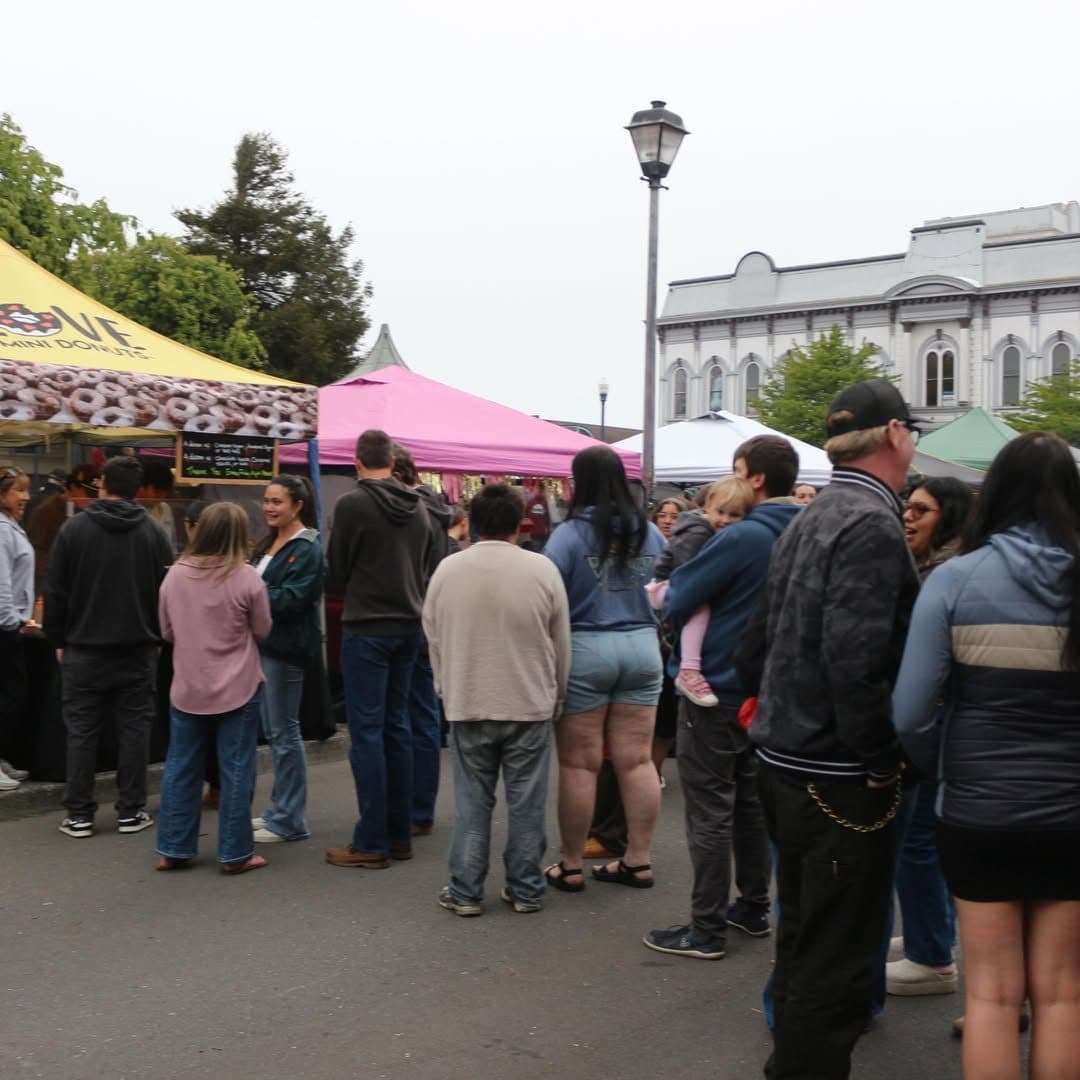
Start at a market. Every maker with a first-year revenue figure in this research earned most of it in person, and the makers who started on Etsy did not report a first year worth describing.
Why markets
"It really is helpful to do markets and get some real time feedback (good & bad). I've picked up on a few things to change & tweak based on feedback at the market and that is worth the table fee as far as I'm concerned." The first-year maker took untested holiday scents to a farmers market, asked each visitor to smell and vote, and the winner became a top seller.
Buyers also behave differently at a table. A maker who runs a shop and does pop-ups: "There's a sense of urgency when you see something at a pop up, but I've noticed people will come to my store 2-3 times, or more, before they buy."
Picking a market
The after-action report from an outdoor summer season is the clearest guide in the threads:
- Markets people attend in order to shop outperform markets that "just exist" where people are there for something else. "Markets in giant parks were low sales days, but markets with a very small admission fee and a strong theme got me customers that basically bought one of everything I had."
- Look for organizers who waitlist excess candle vendors and map booths so competitors are not adjacent. Those markets "tend to have healthier vendor-vendor relationships."
- On saturation: six candle booths among 120 vendors was called fine by most. One maker did her worst market ever with four other candle vendors at a street fair and heard "more candles?" from people walking past. Ask the organizer how many candle vendors are booked.
Other vendors are your best source of new markets. "I got to talk to one of my neighbors at the craft fair and she let me know of more craft fairs that exist and I might be able to apply for."
How much to bring
Ask the organizer for expected attendance and plan for about 3% of it. One maker used 1,500 expected visitors, brought enough for 45 sales plus a buffer. Reported first-market inventory: 35 to 60 candles across five to six scents. Forty "was a good number to start with because my booth never looked too empty."
The first-market checklist
Compiled from a 63-comment thread of experienced vendors answering a first-timer:
- Canopy weights, at least 25 lb per leg. One vendor's tent blew into an elderly man and broke his hip.
- Test the canopy at home. First setup took one maker four hours.
- Lids on testers, or glass cloches. Open jars collect dust and lose scent.
- Pre-stamped bags, wrapping, change for cash, a card reader, all in one place.
- A supply box: tape, scissors, sharpies, twine, price tags, a phone power bank.
- A folding wagon. "Best $60 I've ever spent."
- A helper, for bathroom breaks and for bagging while you take payment.
- Signage. One maker's sales rose significantly at her second event after adding a sign naming the product. Another said visitors thought her booth sold food.
- A small thank-you candle for the organizer. "Organizers remember people who do this kind of thing."
- A clipboard for emails. "Would you like to enter a drawing for a free candle?" got one maker 70 subscribers in four events.
Heat
Fresh candles melt faster than cured stock. Keep backstock under the table and rotate. Ask for a spot with a wall blocking western sun. Melted tops fix at home with a heat gun. Customers understand: "They too were standing in the hot sun."
What sells the candle
The most-upvoted booth critique in r/CraftFairs: "I can go to a hundred fairs and a hundred candle shops and all of them are going to say '100% Natural Soy Candles' and they'll all say, 'Phthalate free' or 'handmade'. At this point, it's filler material." The maker who wrote it sells out at shows where neighbors make nothing. His rule: "You're not selling candles, you're selling the brand, they can get candles anywhere."
Consignment and wholesale
Consignment came up repeatedly and rarely well. Shops take 30% to 40%; one maker with 30% cost of goods called it a profit killer. Another who does 30 to 40 sales at every craft fair placed candles in themed shops and sold zero to two per shop. The consensus: skip consignment, pursue wholesale with a minimum order, and expect to fund inventory up front because retailers pay on net-60 terms.
6. Where to sell candles now
Live from the Vendorbound catalog
2,571 holiday markets and pop-up markets are taking vendor applications now
3,483 in the catalog. Where there are the most:
- Holiday markets in Texas121 open
- Holiday markets in California97 open
- Holiday markets in Ohio97 open
- Holiday markets in Florida97 open
- Holiday markets in North Carolina94 open
- Holiday markets in Pennsylvania91 open
When we wrote this guide in September 2026, 150 events in the catalog named candles as an accepted category, most of them in California, then North Carolina, Texas, Ohio, Minnesota, and Utah. The median listed booth fee was $162 at those events and $125 across handmade events, and 199 fee tiers were free.
7. Candle business names
The second-largest search after "how to start" is "candle business names." The first-year maker whose numbers anchor this guide named hers Lonely Mountain Candle Co. The artist-collab brand chose ARTSTINKS and drew both praise and a long complaint thread, which the founder answered: "We aren't for everyone, but we love our brand just the way it is."
Thirty starting points, by style:
Place and material. Lonely Mountain, North Fork Wax, Cedar Ridge Candle Co., Salt Marsh Light, Prairie Wick, Harbor & Hearth, Pine Row Candle, Tidewater Wax Works, Bluff Creek Candle Co., High Desert Light
Plain and direct. The Candle Room, Poured Goods, Small Batch Wax, Wick & Weight, Good Light Candle Co., Two Jar Studio, Second Shift Candles, Kitchen Table Candle Co., Slow Pour, Common Light
Character and story. Villain Candle Co., Fig Thief, Midnight Grocer, The Last Match, Hush Candle, Ember & Ash, Wanderlight, Foxglove Wax, Little Fires Candle Co., Night Market Candle
Before you print a label, check the name three ways: your state's business entity search, the USPTO trademark search, and the social handles you plan to use. A name that is free at the state level can still be a registered trademark.
Frequently asked questions
How much does it cost to start a candle business?
About $100 to $200 to make a test batch in your kitchen. About $600 to $1,300 to arrive at a first market with 40 to 60 tested candles, equipment, insurance, and a booth fee. Makers who launched a brand with professional labels reported spending $1,000 or more before their first sale.
Can I start a candle business from home?
Yes. Most makers in this research pour in kitchens, laundry rooms, and garages. Your state may require a home-occupation permit and a seller's permit, and your homeowner's policy will not cover product liability. If you sell at markets, the organizer will require proof of insurance.
Is a candle business profitable?
Makers report 65% margins on materials and 3x to 4x markups on cost. Whether that becomes profit depends on volume and channel. Reported first-year revenues in this research range from $4,000 part-time to $25,000 in five months for a maker doing every market she could. Etsy-first makers reported zero to negligible sales.
How much should I charge for a handmade candle?
Three to four times your true cost, including labor and overhead. Observed 2026 market prices: $8 to $10 for 4 oz, $15 to $28 for 8 to 9 oz, $29 to $32 for 10 to 12 oz.
How many candles should I bring to my first market?
Ask the organizer for expected attendance and plan for about 3%. Reported first-market inventory was 35 to 60 candles across five to six scents. Expect to sell 10 to 25.
Do I need insurance to sell candles?
No law requires it. Nearly every market organizer does. Small policies run $20 to $30 a month. Flammable additives such as dried flowers or crystals can void a claim.
Can I put dried flowers or crystals in candles?
Experienced makers say no. They are a fire hazard, they fall outside the ASTM safety specification, and an insurer can refuse a claim if an investigator attributes a fire to them.